How to Avoid Roaming Charges Overseas
Learn how to avoid roaming charges overseas with simple setup tips, smarter data choices, and travel-ready options before you land abroad.
Airport Wi-Fi is crowded, hotel Wi-Fi is hit or miss, and carrier roaming charges have a talent for showing up after the trip. That is why instant eSIM QR code delivery matters. You buy your plan online, get the QR code right away, install it before you fly, and land with one less thing to figure out.
For travelers, speed is only part of the story. Fast delivery is useful, but only if the setup is clear, the plan terms make sense, and the service actually works when you arrive. A QR code in your inbox does not help much if the plan hides speed limits, blocks hotspot use, or turns out to be one of those “unlimited” offers that slows to a crawl after a small amount of data.
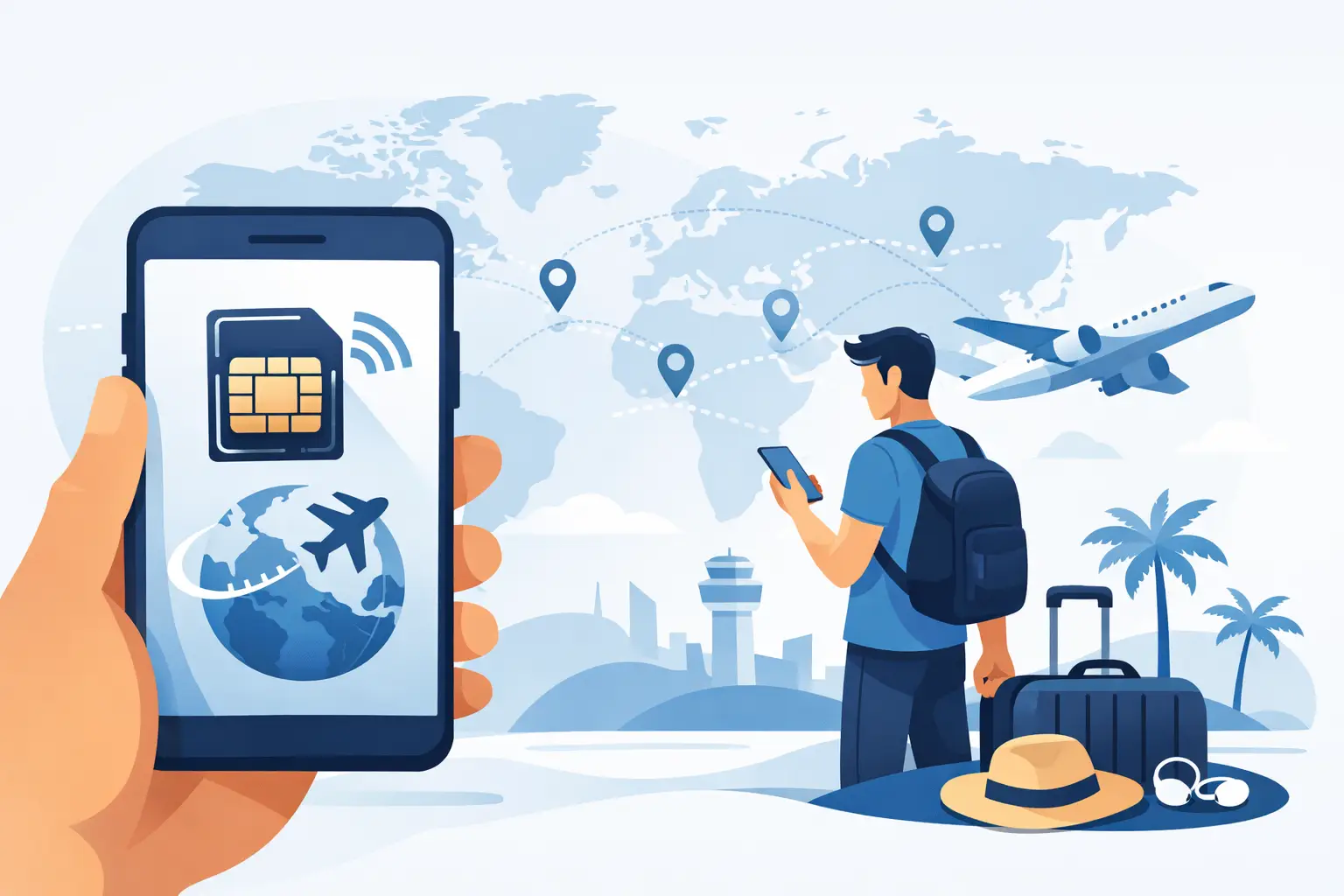
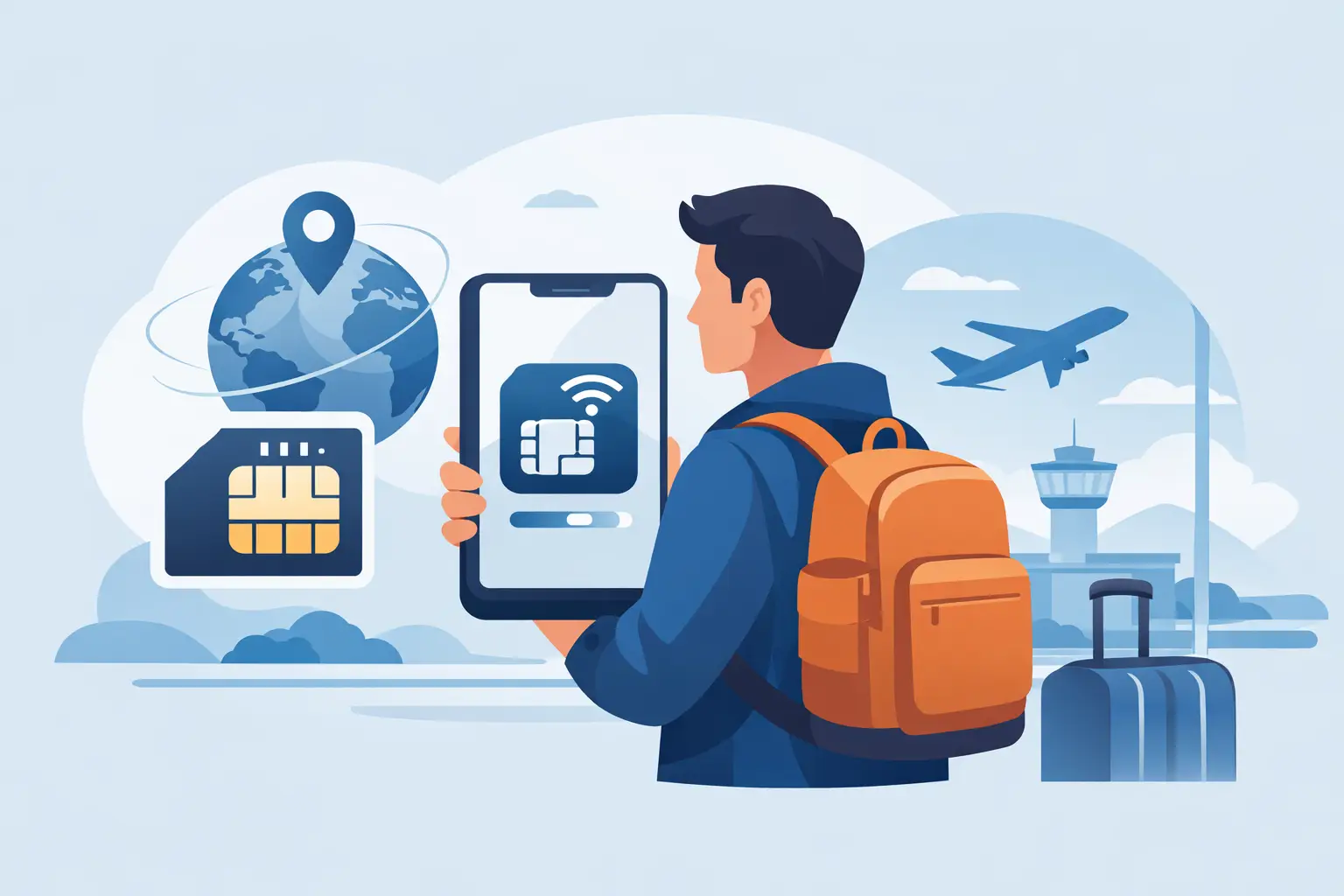
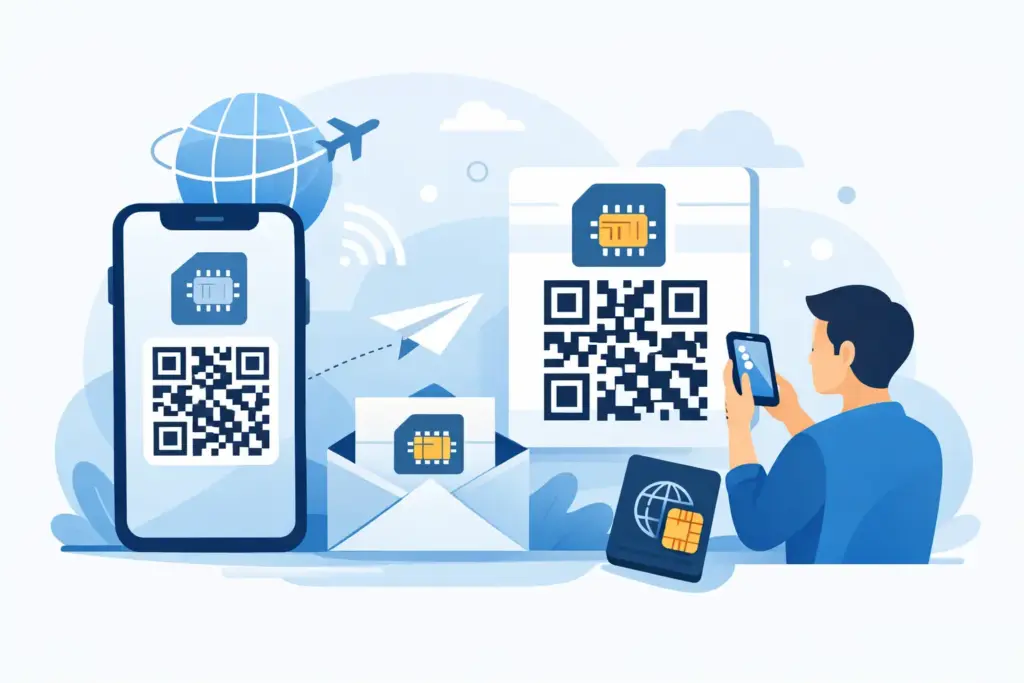
At its simplest, instant eSIM QR code delivery means your mobile data plan is sent digitally, usually within minutes of purchase. Instead of waiting for a physical SIM card, you receive a scannable QR code by email or on a confirmation screen. You scan it on your phone, install the eSIM profile, and keep it ready for your trip.
This is a better fit for travel because it removes the slowest part of the old SIM process. No shipping. No store visit. No hunting for a local carrier kiosk after a long flight. If your phone supports eSIM, the plan can be installed almost immediately.
That said, “instant” should still be taken literally and carefully. It should mean prompt digital delivery of the QR code, not vague language that still leaves you waiting on manual review, extra verification, or delayed activation instructions. Good providers make the process simple and visible from checkout to install.
The biggest benefit is control. You can set up your travel data before departure, while you still have stable internet and time to check your phone settings. That matters more than people think.
When you land in another country, every extra step feels larger. Maybe you need directions from the airport. Maybe you need to message your hotel host. Maybe your rideshare app needs a verification code. Maybe you are heading straight to a meeting. If your data setup starts at arrival, you are solving a basic connectivity problem at the worst possible moment.
Instant delivery also helps reduce compatibility mistakes. If your phone is not eSIM-ready, or if something in the install process needs attention, you would rather learn that at home than on a sidewalk with 8 percent battery.
For remote workers and digital nomads, the value is even more practical. They often need hotspot access, predictable data limits, and a clear activation window. Fast delivery gets them moving, but transparency keeps them from buying the wrong plan.
Most eSIM purchases follow the same general path. You choose a destination and data package, complete checkout, and receive a QR code. Then you open your phone’s cellular settings, scan the code, and install the plan.
In many cases, the eSIM can be installed in advance and activated later when you reach the destination. That is ideal for travel because it gives you time to label the line, set your primary SIM preferences, and confirm everything looks right before departure.
There are small differences between providers, and those details matter. Some plans start counting from installation, while others begin only when the eSIM connects in the destination country. Some support hotspot use without issue, while others restrict it. Some clearly publish speed caps and fair-use limits. Others hide the useful details behind broad marketing claims.
Fast delivery is good. Fast delivery plus clear rules is better.
The promise of instant eSIM QR code delivery sounds simple, but smart travelers still check a few basics first.
Not every phone supports eSIM, and not every eSIM-compatible phone is unlocked. Those are two different things. A carrier-locked device may support eSIM in theory but still block a travel plan from working properly.
Before you buy, confirm that your exact phone model supports eSIM and that it is unlocked for other networks. This is the easiest way to avoid setup friction.
Some travelers assume receiving the QR code means the plan is already live. Usually, that is not the case. Delivery and activation are separate steps. You can often receive and install the eSIM immediately, then have service begin only when you arrive and connect to a supported network.
That timing is useful, but only if it is explained clearly.
This is where many travel data offers get slippery. “Unlimited” can mean heavily throttled speeds after a short daily allowance. A cheap plan can turn expensive fast if you need to buy extra data unexpectedly.
Look for real numbers. How much high-speed data is included? Are there speed caps? Is hotspot allowed? Can you top up without buying a whole new package? If those answers are hard to find, that is a warning sign.
A good eSIM experience starts before activation. The purchase confirmation should arrive quickly. The QR code should be easy to find. Installation steps should be written for normal people, not telecom engineers.
You should also know what to expect after scanning. Will the line show up immediately in your cellular settings? Should data roaming be turned on for the travel eSIM? Do you need to select it as the data line after landing? These are small details, but they shape whether setup feels simple or frustrating.
Clear naming helps too. If you use a primary SIM for calls and a travel eSIM for data, your phone can hold both. Labeling each line properly avoids mistakes with texting, data selection, and accidental roaming on your home carrier.
This is where a no-nonsense provider stands out. TapSim, for example, keeps the promise simple: digital delivery, clear plan terms, and no fake unlimited claims dressed up as a bargain.
The most common setup issue is scanning the QR code on the same phone that needs to install it. If the code is displayed on the device you are trying to activate, you may need to open the QR image on another screen or use manual entry details instead.
Another common problem is weak internet during installation. Even though the eSIM is for future travel, the phone still needs a stable connection to download the profile. Installing at home or before leaving the hotel is usually the safer move.
There is also the question of when not to install immediately. If a provider states that the validity period begins at installation, early setup may waste service days. This is not always the case, but it is worth checking before you scan.
Then there is user error, which sounds harsh but happens all the time. Travelers may forget to turn on the eSIM line, leave mobile data assigned to their home carrier, or keep data roaming disabled on the travel eSIM. None of these are major failures, but they can make a working plan look broken.
This is the part many travelers miss. A provider can deliver a QR code instantly and still offer a poor product.
Speed of delivery tells you one thing: the checkout and fulfillment process is digital. It does not tell you whether the plan terms are fair, whether speeds are usable, or whether support will help if activation fails.
That is why trust matters as much as speed. A good travel eSIM should be upfront about limits, realistic about performance, and reasonable about refunds when something goes wrong. Travelers do not need bigger claims. They need fewer surprises.
Usually, yes, but there are exceptions. If your phone is not eSIM-compatible, a physical SIM or pocket Wi-Fi may still be the better fit. If you need a local number for calls and texts, a data-only eSIM may not cover everything on its own. If you are traveling to multiple countries, you also need to decide whether a regional plan makes more sense than country-specific options.
Still, for most international travelers who mainly need maps, messaging, email, rideshare apps, and hotspot-friendly mobile data, instant delivery solves the hardest part of travel connectivity before the trip even starts.
That is the real advantage. Not just speed, but reduced friction. You are not scrambling at baggage claim, comparing confusing telecom offers, or hoping your home carrier’s roaming pass behaves. You buy, install, and travel with a plan you understand.
If you are choosing a provider, look past the QR code itself. Fast is good. Clear is better. And when you are landing in a new country, clarity is what keeps your first hour from turning into a support ticket.