eSIM for Digital Nomads: What Actually Matters
Choosing an esim for digital nomads? Learn what matters most - coverage, speed caps, hotspot rules, setup, and avoiding fake unlimited plans.

You usually notice bad mobile data at the worst possible moment – after landing, while trying to find your ride, open your hotel door code, or message someone that you made it. That is why finding the best prepaid data eSIM is less about flashy marketing and more about one simple question: will it work the way you expect when you need it most?
For most travelers, the answer comes down to clarity. Not just price. Not just a big data number. Clarity about how much data you really get, whether speeds are capped, whether hotspot is allowed, and what happens if you burn through your plan halfway through the trip. A cheap plan that turns vague the moment you activate it is not a bargain. It is a travel problem waiting to happen.
The best option is not always the one with the largest headline offer. It is the one that matches your trip, your phone, and your usage without surprises.
A prepaid data eSIM should first be easy to buy and install before departure. That matters more than many people expect. If setup can happen while you still have reliable Wi-Fi at home, you remove a lot of risk. You are not hunting for airport SIM kiosks, comparing local carrier plans in a rush, or paying your home carrier’s roaming rates because you had no backup.
It also needs to be transparent. Many travel data plans advertise unlimited service, but the fine print often tells a different story. After a certain amount of high-speed data, speeds may slow sharply. Some plans restrict tethering. Others only work well in major cities and get less reliable once you move around. None of that makes a plan bad by default. It just needs to be stated clearly.
That is the dividing line. The best prepaid data eSIM is the one that tells the truth before you pay.
A weekend city break and a three-week work trip do not need the same plan. If you are mostly using maps, rideshare apps, messaging, and light browsing, a modest prepaid package may be more than enough. If you plan to hotspot your laptop daily, upload files, stream video, and take video calls, you need to think beyond the sticker price.
This is where many travelers get caught. They buy based on the word unlimited and assume they are covered. Then they hit a fair-use threshold and find themselves working on throttled speeds in the middle of a client call. The plan did not technically lie. It just did not communicate honestly enough for a real traveler.
A better approach is to estimate your data needs by behavior. Light users often do fine with a smaller bucket. Heavy users should look for clear speed policies, hotspot support, and top-up flexibility. If your trip crosses borders, regional coverage may matter more than getting the absolute cheapest single-country plan.
Price matters. Of course it does. But prepaid travel data is one of those categories where the cheapest option can become the most expensive if it fails at the wrong time.
Coverage is the first thing to check. Some eSIMs rely on strong local carrier partnerships and perform well across a destination. Others may connect to fewer networks, which can affect service quality depending on where you are. If you are staying in a major city the whole time, this may not be a big issue. If your trip includes rural areas, trains, or multiple countries, it matters a lot more.
Speed policy is the next thing. A provider that clearly states high-speed limits, throttling thresholds, and fair-use rules is doing you a favor. It is better to know you get a certain amount of high-speed data than to buy into a vague promise that sounds generous until it slows to a crawl.
Hotspot access is another big one, especially for remote workers and business travelers. Some plans allow tethering freely. Some limit it. Some do not mention it until after purchase. If your phone is your backup internet plan for a laptop or tablet, this is not a minor detail.
Then there is top-up flexibility. Trips change. You stay longer, use more data than planned, or add another stop. A good prepaid eSIM should let you add data without friction. You should not need to start from scratch or switch providers in the middle of travel.
Travelers do not need marketing theater. They need service they can trust.
Unlimited has become one of the most overused words in mobile data. In practice, many so-called unlimited plans come with daily caps, soft throttles, reduced priority, or terms buried deep in support pages. That can still be workable if the limits are fair and clearly explained. The problem is when the offer creates one expectation and delivers another.
For travelers, that gap is costly. You may depend on data for boarding passes, banking logins, translation apps, maps, and work. When a provider hides the real limit behind vague language, the inconvenience is not small. It affects your time, your budget, and your confidence while moving through unfamiliar places.
That is why honest prepaid plans stand out. They may not always have the loudest headline, but they are easier to trust because you know what you are buying.
Start with device compatibility. Your phone must support eSIM, and in some cases it also needs to be carrier-unlocked. This sounds basic, but it is still one of the most common points of friction. A great plan is useless if your device cannot install or activate it.
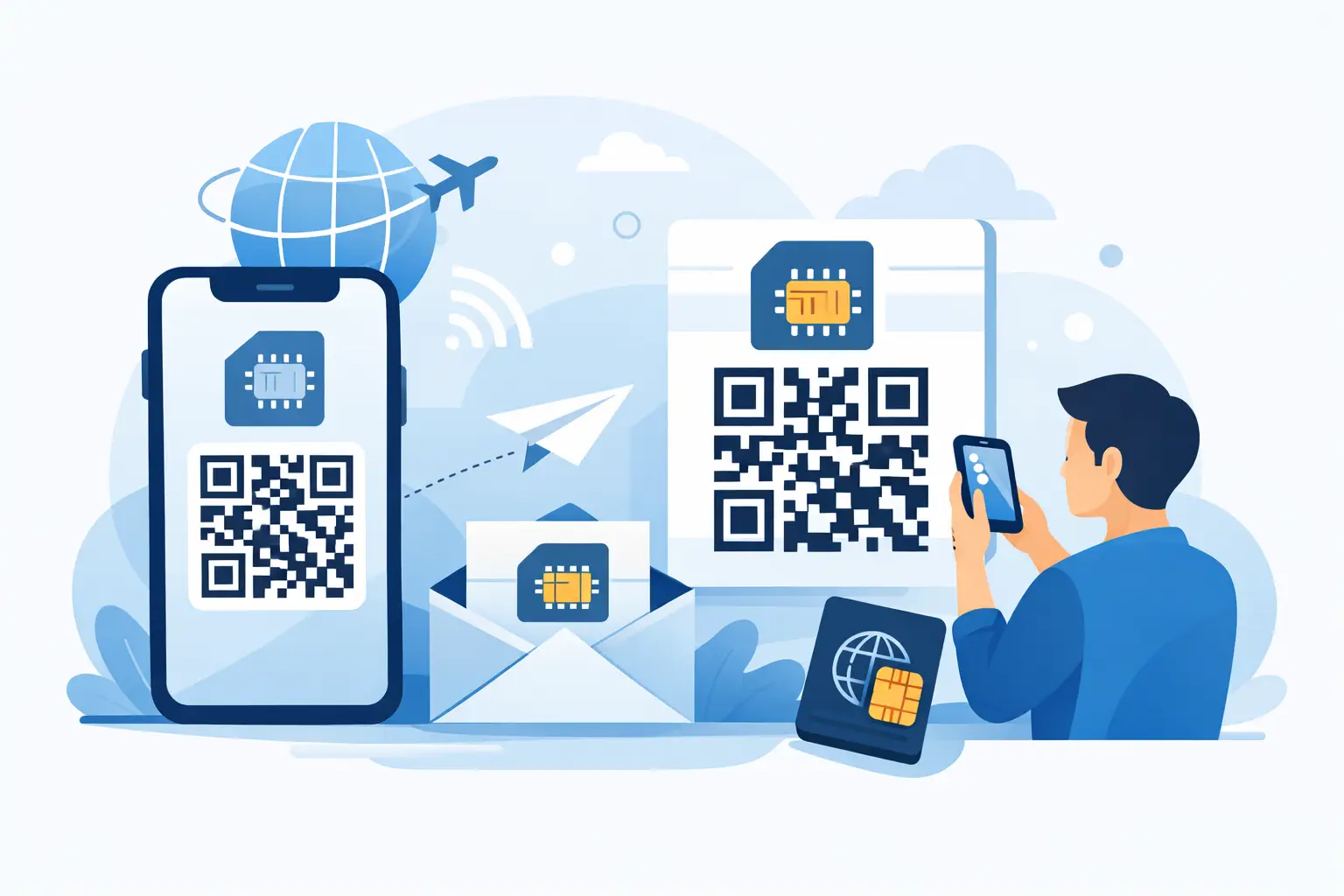
Next, think about when you want to set it up. The smoothest experience is usually buying online, receiving a QR code right away, and installing the eSIM before departure. That way, when you land, you only need to activate service instead of troubleshooting in transit.
After that, compare plans based on your actual trip. Look at country coverage, validity period, total data included, speed disclosures, and hotspot rules. If the provider makes these details easy to find, that is a good sign. If you have to dig through support pages to understand basic limits, expect more friction later.
Refund policy matters too. Activation issues are rare, but they do happen. A refund-friendly provider shows confidence in its product and respects the customer’s risk. That matters when you are buying a digital service tied to travel timing.
Data-only plans are a strong fit for most modern travelers. If you mainly use iMessage, WhatsApp, FaceTime, Google Maps, email, Slack, Zoom, and cloud apps, a data eSIM covers what you need. Many travelers do not need a local phone number anymore.
They are especially useful for people who want to keep their primary number on their regular SIM while adding travel data on a second line. That setup gives you flexibility. You can keep receiving messages on your main number while avoiding expensive roaming for data.
There are cases where a local SIM or full-service mobile plan makes more sense. If you need heavy local calling, long-term domestic service in one country, or a plan tied to local identity verification, a travel eSIM may not be the best fit. But for short trips, multi-country travel, and self-service setup, prepaid data-only eSIMs are usually the cleaner option.
The easiest way to judge any travel eSIM is this: can you understand exactly what you are getting before checkout?
If the answer is yes, you are probably looking at a provider that respects travelers. If the answer is no, keep looking. Fair pricing, clear speed caps, published fair-use terms, hotspot transparency, and quick digital delivery are not extras. They are the basics.
That is also why brands like TapSim resonate with frequent travelers. The value is not just data. It is knowing there are no roaming traps, no hidden fees, and no fake unlimited claims dressed up as a deal.
When you are picking the best prepaid data eSIM, do not chase the loudest promise. Choose the plan that is clear, fast to set up, and honest about its limits. That kind of connectivity feels better before the trip, after landing, and every time you check your phone without wondering what surprise is coming next.