eSIM for Business Travel: What to Know
Learn how esim for business travel cuts roaming costs, speeds arrival setup, and keeps teams connected with clear data limits and fewer surprises.
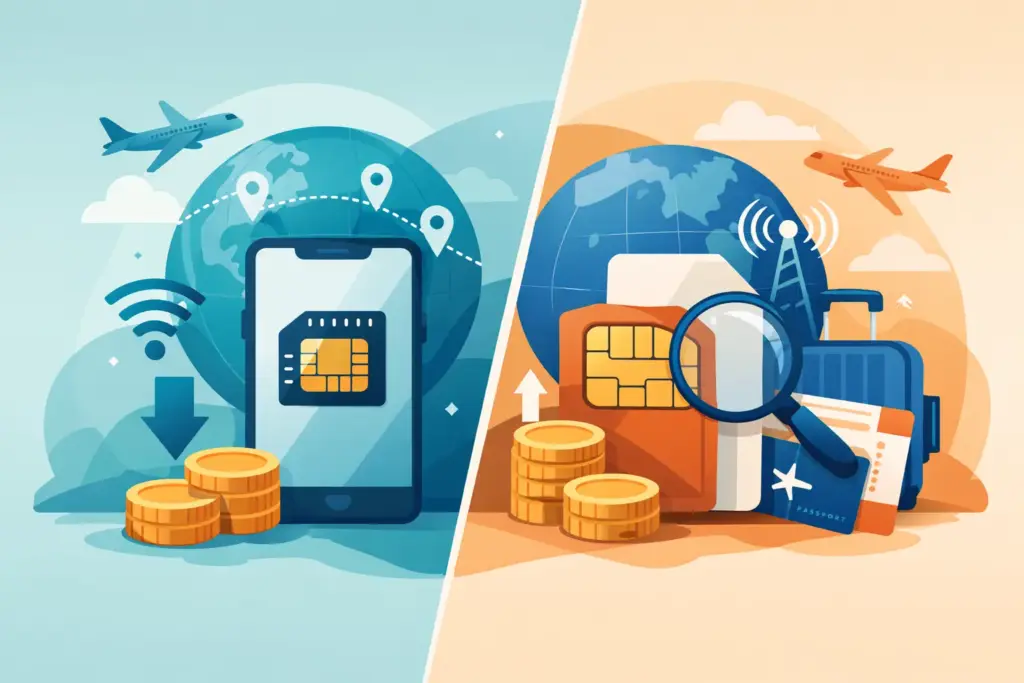
You land, switch off airplane mode, and wait for that first signal bar to appear. That moment decides a lot – whether you can call a rideshare, open your hotel booking, message family, or join a work call from the airport. That is why esim vs roaming plans is not a small detail. It is a real travel decision, and the cheaper-looking option is not always the one that costs less in practice.
For most international travelers, the choice comes down to convenience versus control. Roaming feels easy because it keeps your home carrier in place. An eSIM often gives you better pricing and more transparency, but it asks you to do a little setup before the trip. If you care about avoiding surprise charges, knowing exactly what you are buying, and having data ready when you arrive, the difference matters fast.
A roaming plan is an add-on from your home mobile carrier that lets you use your regular line abroad. In many cases, you keep your phone number, texts, and voice service active while paying a daily fee or a fixed international package rate. It is familiar, and for short trips, that familiarity can be appealing.
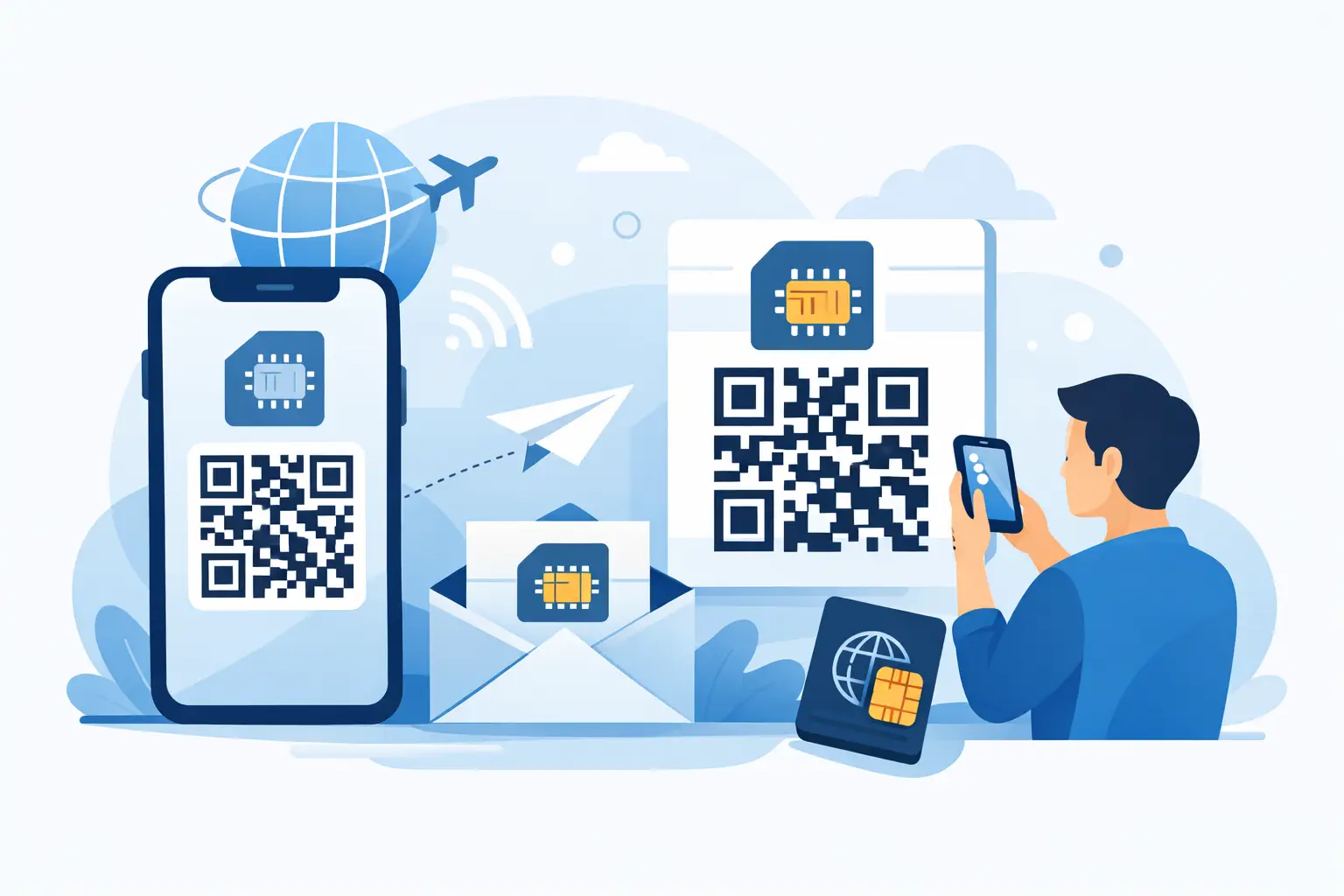
An eSIM is a digital SIM you install on a compatible phone. Instead of using your home carrier’s travel pricing, you buy a prepaid mobile data plan for the country or region you are visiting. You scan a QR code, install the plan, and activate it when you need it. No store visit, no plastic SIM card, and no waiting in line after a long flight.
The biggest practical difference is that roaming plans usually extend your home carrier’s service abroad, while a travel eSIM gives you a separate travel data plan designed for international use. That shift changes the cost structure, the plan rules, and how much control you have.
There is a reason roaming plans still sell well. They are simple to understand on the surface. You already trust your carrier, your line stays active, and there is often nothing new to install. If you are taking a two-day business trip and only need light usage, paying your carrier’s daily roaming pass may feel like the fastest path.
Roaming can also make sense for travelers who rely heavily on their primary number for calls and text-based verification. If your bank, office, or clients need to reach you on your regular line without any changes, staying on your home carrier can reduce friction.
But easy upfront does not always mean easy later. Roaming plans often come with fine print around high-speed data caps, reduced speeds after a threshold, country exclusions, overage pricing, and billing delays. Some plans are fair. Some are expensive. Some look unlimited until they are not.
Travel eSIMs tend to win on pricing clarity, plan flexibility, and preparation. You see the data amount, validity period, destination coverage, and often the speed or fair-use rules before you buy. That matters because travel connectivity gets frustrating when the headline offer sounds generous but the limits stay vague.
A good eSIM also lets you set up before departure. That means you can land with data ready instead of hunting for airport Wi-Fi or guessing whether your carrier pass activated correctly. For tourists, that means maps and transport. For remote workers, it means not losing an hour of the day to setup problems.
This is also where honest plan design matters. Some travel products advertise unlimited data, then throttle speeds hard after light use or restrict hotspot access. A straightforward prepaid eSIM is often the better deal if it tells you exactly what you are getting and what happens when you hit the limit.
If your home carrier charges a daily roaming fee, the total can climb quickly. A one-week trip can turn into a meaningful extra bill, especially if you are traveling with family or using multiple lines. Monthly international passes can look better, but they still may offer less data than a dedicated travel eSIM at the same price.
An eSIM is usually prepaid, so your spending is capped before the trip starts. That removes one of the biggest travel annoyances – returning home to find a larger-than-expected phone bill. You know the size of the plan, the number of days, and the refill option if you need more.
That said, it depends on your trip. If you are crossing the border for a single day and need minimal data, your carrier’s roaming add-on might be fine. If you are spending a week or more abroad, using maps constantly, tethering a laptop, or moving across several countries, eSIM pricing often becomes much more attractive.
This is where travelers get burned. Not all roaming plans offer the same speeds overseas, and not all eSIMs are equally transparent. Some roaming plans include only a small bucket of high-speed data, then slow you down enough to make video calls, navigation, or file uploads painful.
Some eSIM plans have speed caps or fair-use limits too. The difference is that better travel eSIM providers tend to publish those details clearly. That gives you a chance to choose based on your actual usage instead of marketing language.
If you need stable data for work, hotspot support matters as much as speed. Many travelers assume hotspot is included everywhere, then find out it is blocked or restricted. Whether you choose roaming or an eSIM, check that before you pay. Hidden limitations are what make a cheap-looking plan expensive.
Roaming wins on familiarity. You call your carrier, tap a setting, or add a pass in your account. For some travelers, that is enough.
But eSIM setup is not complicated anymore. On a compatible phone, you usually buy online, scan a QR code, install the eSIM, and keep it ready for arrival. Once you understand the steps, it is a five-minute task instead of an airport errand.
The real convenience question is not which option sounds simpler. It is which option reduces stress when you land. If your travel plan is active before departure, you skip the scramble for connectivity in a place where you may not speak the language, know the transit system, or have any backup connection.
That is why many travelers now prefer prepaid travel eSIMs from providers like TapSim – the process is digital, the limits are stated upfront, and there is no roaming bill waiting at the end of the trip.
Roaming is not a bad choice in every case. If you are on a premium carrier plan with genuinely good international benefits, you may already have enough travel coverage built in. If your trip is short, your data use is light, and you need your regular number active for calls all day, sticking with your carrier can be practical.
It can also be useful as a backup. Some travelers keep their home line available for texts and verification while using a separate eSIM for data. That setup gives you the familiarity of your primary number without paying roaming rates for all your internet use.
So the right answer is not always eSIM only or roaming only. Sometimes the best setup is a mix.
Start with the trip itself. How long are you going? How much data do you really use? Will you need hotspot access for a laptop or tablet? Are you staying in one country or moving across a region? And do you need your home number for calls, texts, or login codes?
If your top priorities are cost control, prepaid pricing, and clear plan terms, an eSIM is usually the stronger option. If your top priority is keeping everything exactly as it is at home and you are comfortable paying more for that convenience, roaming may be worth it.
The key is to compare real terms, not marketing labels. Look at total trip cost, high-speed data limits, hotspot rules, top-up options, and whether the provider clearly states what happens after you use your included data. Honest details beat vague promises every time.
Travel internet should not be a gamble. The best option is the one that tells you the truth before takeoff, works when you land, and does not punish you later for using your phone like a traveler actually would.